
As we prepare for the temperature to drop and the “winter bite” sets in, our feet often bear the brunt of the changing environment. At Holistic Foot Clinic, we see a significant shift in the types of foot and ankle concerns that present during the cooler months. While it may be tempting to hide your feet away in thick boots and forget about them, winter is actually the time when your feet require proactive care.
From joint stiffness to circulation issues, here is a comprehensive guide to understanding winter foot health and how you can maintain peak comfort this season.
Common Winter Foot Problems
Many people believe that increased foot pain in winter is merely a result of noticing it more; however, it is scientifically proven that cold weather impacts the integrity of joints and soft tissues.
1. Joint and Muscle Discomfort
Cold temperatures cause tissues to contract and can increase the viscosity of joint fluid. This often exacerbates chronic conditions such as osteoarthritis, making movement stiffer and more painful than during the colder months.
2. Circulatory Conditions: Chilblains and Raynaud’s
Reduced blood flow to the extremities is a primary winter concern.
- Chilblains: These are small, itchy, red (or purple) bumps that appear after exposure to the cold. They occur when small blood vessels in the skin expand too quickly upon rewarming.
- The Risk: If left untreated chilblains can break down into open wounds. Because circulation is already compromised in these areas, these sores are notoriously slow to heal and highly susceptible to infection.
3. Skin and Nail Issues
- Tinea (Athlete’s Foot): Keeping feet enclosed in thick socks and boots for prolonged periods creates a dark, moist environment, the perfect breeding ground for fungal infections.
- Ingrown Toenails: We often see a spike in ingrown nails due to the transition into restrictive, sport-specific footwear or winter boots that are improperly fitted.
- Corns and Calluses: These result from increased friction and “shearing” forces when feet are cramped into footwear without adequate space for the foot and toes.
- Dry, Cracked Heels: Low humidity, indoor heating, and reduced hydration contribute to skin losing its elasticity, leading to painful fissures (cracks) in the heels.
How Professional Podiatry Can Help
Addressing the root cause of winter foot pain early is essential for long-term outcomes. At Holistic Foot Clinic, our podiatrists provide tailored treatments to improve circulation, protect exposed skin, and manage inflammation.
Advanced Therapies We Offer:
Laser Therapy (Photobiomodulation)
- Boosts Circulation: Light energy encourages small blood vessels to relax, restoring blood flow to cold sensitive toes.
- Rapid Relief: Most patients experience a reduction in pain and swelling within just one or two sessions.
- Accelerated Healing: It stimulates cellular metabolism to repair irritated or broken skin faster.
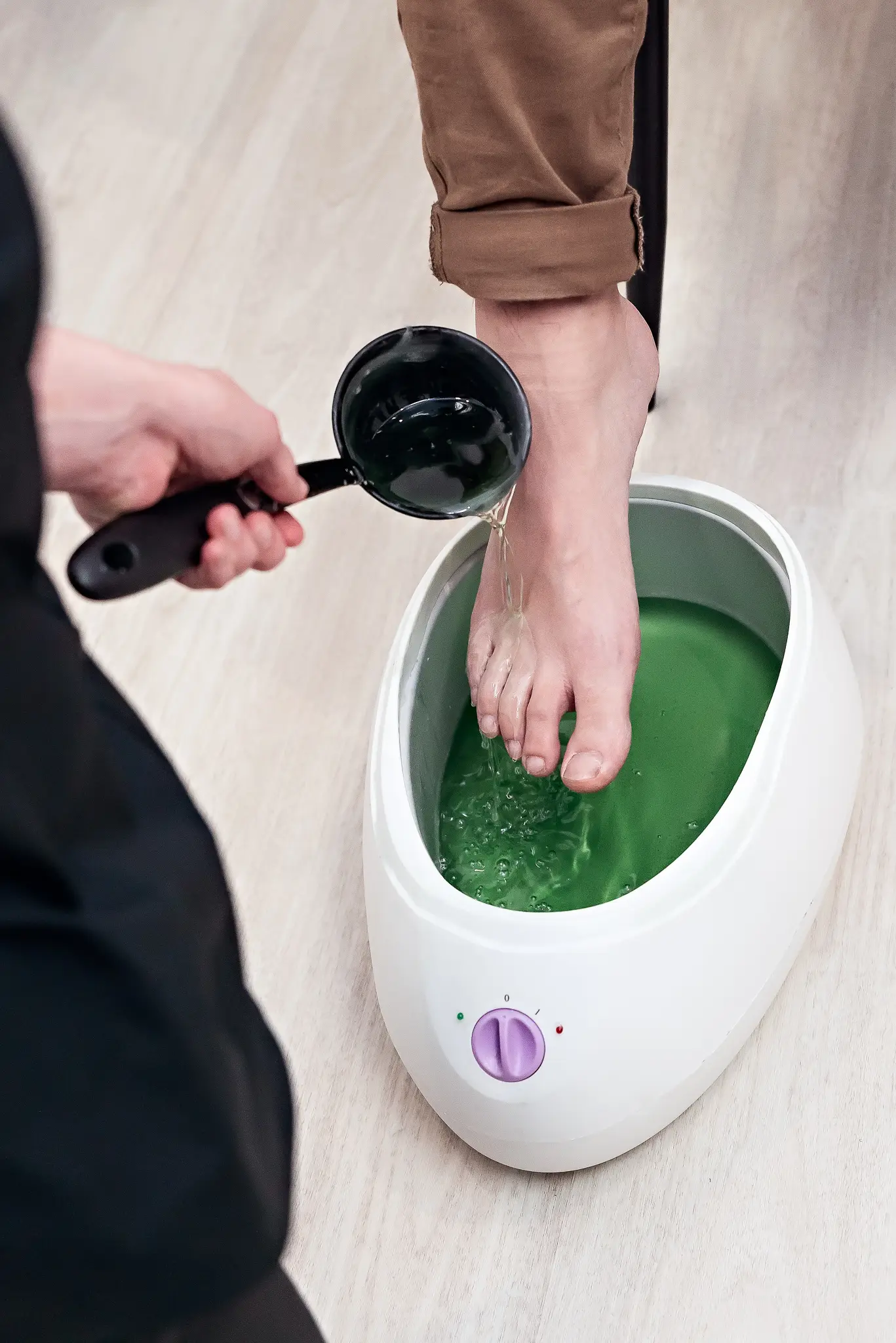
Paraffin Wax Baths
- Deep Thermotherapy: The controlled heat causes vasodilation (widening of blood vessels), bringing oxygen-rich blood to damaged areas.
- Symptom Management: Provides immediate relief from the intense itching and “burning” sensation associated with chilblains.
- Skin Conditioning: Intensely moisturises and softens the skin, making it an excellent treatment for severe dryness or eczema.
Your At-Home Winter Foot Care Routine
Beyond clinical treatment, your daily habits play a pivotal role in preventing winter complications.
1. Smart Footwear and Sock Choices
It is all about finding a “happy medium.” While you need protection outdoors, allow your feet time to “air out” once you return home to prevent moisture build-up.
- The Material Matters: We highly recommend bamboo based socks. Bamboo is naturally moisture-wicking and antibacterial. If you struggle with moisture between the toes, specific toe socks can be a game-changer in preventing tinea.
2. The 20-20 Hygiene Rule
To reduce the risk of fungal infections:
- Wash your feet with a neutral cleanser, scrubbing for at least 20 seconds.
- Dry thoroughly, especially between the toes.
- Apply a high quality moisturiser, rubbing it into the skin for 20 seconds to ensure absorption before putting on socks, but remember to avoid applying between the toes.
3. Prioritise Movement
Daily movement is essential to keep blood circulating through the smaller vessels of the feet. Aim for the general health guidelines of 150–300 minutes of moderate-intensity exercise (like brisk walking) per week. Even small movements within your means can prevent the stagnation of blood flow.
4. The Daily Foot Check
Vigilance is your best defense. Every day, check the top, bottom, and between your toes for changes in:
- Temperature (excessively cold or hot spots)
- Skin colour (redness, purple tints, or extreme paleness)
- Texture (dryness, scaling, or fluid-filled bumps)
Don’t Wait for the Pain to Worsen
If you are experiencing discomfort, swelling, or changes in skin integrity, early intervention is key. Our team is here to help you take control of your foot health and keep you moving comfortably throughout the season.
Schedule an appointment at one of our clinics today, and let’s get you back on your feet!
Until next time, have fun and keep on walking!