
As the siren approaches for the start of the AFL football season, excitement is building across clubs and communities. However, for players, this period represents the most physically demanding and dangerous window of the year.
At our clinic, we often see a surge in lower limb injuries during these early months of the year. This isn’t a coincidence; it’s the result of what we call the “Pre-Season Crash.” After a 10 week hiatus, players often face an intense 12 week block where training volume is maxed out almost immediately.
Below, we break down why these injuries happen, the role of your footwear, and how podiatry can keep you on the field.
Why Injuries Peak in Pre-Season
The transition from a sedentary off season to high intensity training often creates a “recipe for disaster” due to several key factors:
- Rapid Increase in Training Load: Moving from zero to 100% intensity especially after the Christmas break overloads the body before it can adapt.
- High Speed Running Volumes: Research shows the highest volume of sprinting (above 70-80% max velocity) occurs in the first four weeks. This significantly overloads unconditioned muscles.
- Soft Tissue Vulnerability: Deconditioning along with hard and dry summer grounds increase the risk of many injuries, often caused by over striding or explosive acceleration.
- The Fitness Gap: A short pre-season leaves limited time to build the foundational fitness needed to protect joints and tendons.
- History: Players with previous injuries face a much higher risk of re-injury during this high pressure phase.
Common Lower Limb Injuries in AFL Football
1. Hamstring & Groin Strains
The most common soft tissue injuries in the game. These occur during maximal sprinting or rapid changes in direction when the muscle is stretched under high tension.
2. Knee Injuries (ACL & Meniscus)
High impact landings and pivoting on high traction grass can put unnatural rotational stress on the knee joint.
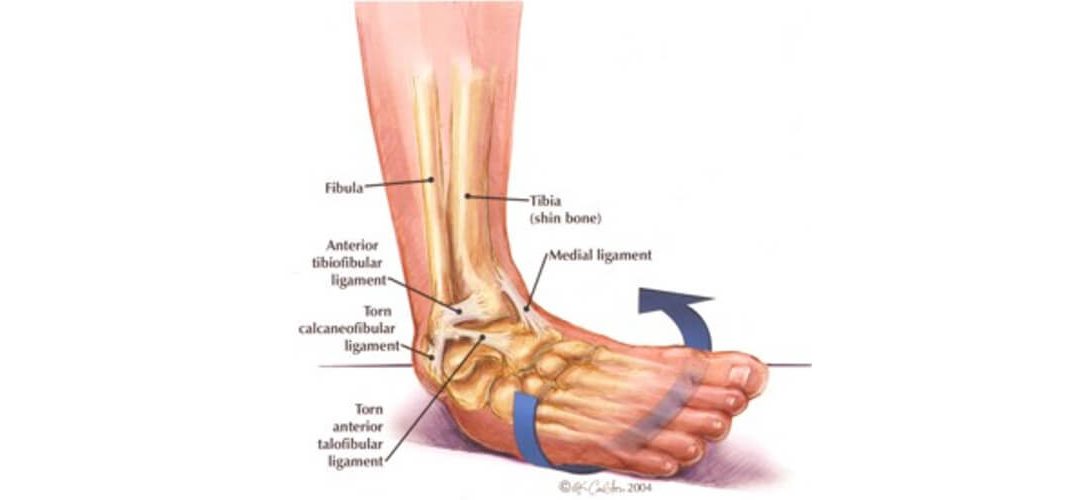
3. Ankle Sprains
Often caused by “rolling” the ankle on uneven turf or during lateral movements. Poor footwear or weak stabilising muscles are usually the culprits.
4. Shin Splints (MTSS)
That nagging ache along the shin bone is typically an overuse injury caused by the repetitive impact of running on hard summer grounds.
The Foundation of Prevention: Gradual Progression
In the world of the AFL, the urge to “go hard or go home” is hardwired into the culture. However, the most robust defense against the dreaded pre-season injury isn’t intensity, it’s gradual progression. Whether you’re a local club legend or an elite midfielder, your musculoskeletal system requires time to adapt to the sheer mechanical stress of explosive sprinting and physical contests. By strictly adhering to the “10% Rule” incrementally increasing training load, duration, or intensity you allow tendons and ligaments to thicken and strengthen alongside your muscles. When you bypass this steady build-up, you aren’t just training harder; you’re essentially redlining an engine that hasn’t been broken in yet. In footy, longevity is earned through patience, ensuring your body is resilient enough to handle the Round 1 siren and the final minutes of a finals game alike.
The Foundation of Prevention: Strategic Footwear
Your choice of footwear is your first line of defense. Poorly fitted or worn out shoes provide insufficient shock absorption, placing unnecessary stress on your tendons.
The Two-Phase Approach
- Pre-Season: Prioritise running shoes for high-volume conditioning. We recommend rotating between two pairs to vary the loading patterns on your feet and legs (e.g., a cushioned pair for long runs and a lighter pair for intervals).
- In-Season: Gradually transition into your football boots, ensuring they are “broken in” before match day to avoid blisters and mechanical stress.
Key Considerations for Your Boots
| Feature | What to Look For |
| Fit & Comfort | The most critical factor. There should be no pinching; the boot should feel like an extension of your foot. |
| Cushioning | Look for boots with a 10mm heel-to-toe drop (pitch). This reduces the load on your calves and Achilles, which is essential for larger players. |
| Materials | Kangaroo leather offers superior durability and “moulds” to the foot, while synthetics are lighter but often offer less structural support. |
| Stud Pattern | Use moulded studs for firm, dry pre-season tracks. Save long screw-in studs for wet, muddy mid-season conditions to avoid “turf lock”. |
How Can a Podiatrist Help?
We don’t just treat injuries; we optimise performance. If you want to be proactive about your season, a Podiatrist can provide:
- Rehab & Return to Play Plans: Tailored programs to bridge the gap between injury and match fitness.
- Biomechanical Assessments: Identifying movement patterns that may lead to injury.
- Advanced Therapies: Utilising Laser Therapy or Shockwave Therapy to accelerate tissue healing, and Dry Needling to release muscle tension.
- Custom Orthotics: To provide structural support and correct alignment issues that cause knee or shin pain.
Put Your Best Foot Forward
Don’t wait for a “tweak” to become a season ending tear. Being proactive in January and February is the best way to ensure you’re there for the final siren in September.
Would you like us to perform a professional footwear assessment or a biomechanical screen before your next training session?